
Wednesday 17th December 2025
Hopping off the DLR at Canary Wharf and stepping into the Central Business District, social housing might feel a world away. Canary Wharf is synonymous with wealth: home to global banks, high-end restaurants and even the UK’s largest Waitrose with its own temperature-controlled cellar for wine tastings. It’s easy to assume this is a place reserved for the well-heeled, far removed from those on modest incomes.
But that perception is increasingly no longer the reality. Increasingly, in diverse boroughs like Tower Hamlets, social and affordable housing tenants live cheek-by-jowl with high earners, sharing blocks, spaces and amenities in some of the UK’s most dynamic urban environments. While this – to some degree – has always been the case in London, nationally it’s a shift that is reshaping communities and challenging old assumptions about who lives where.
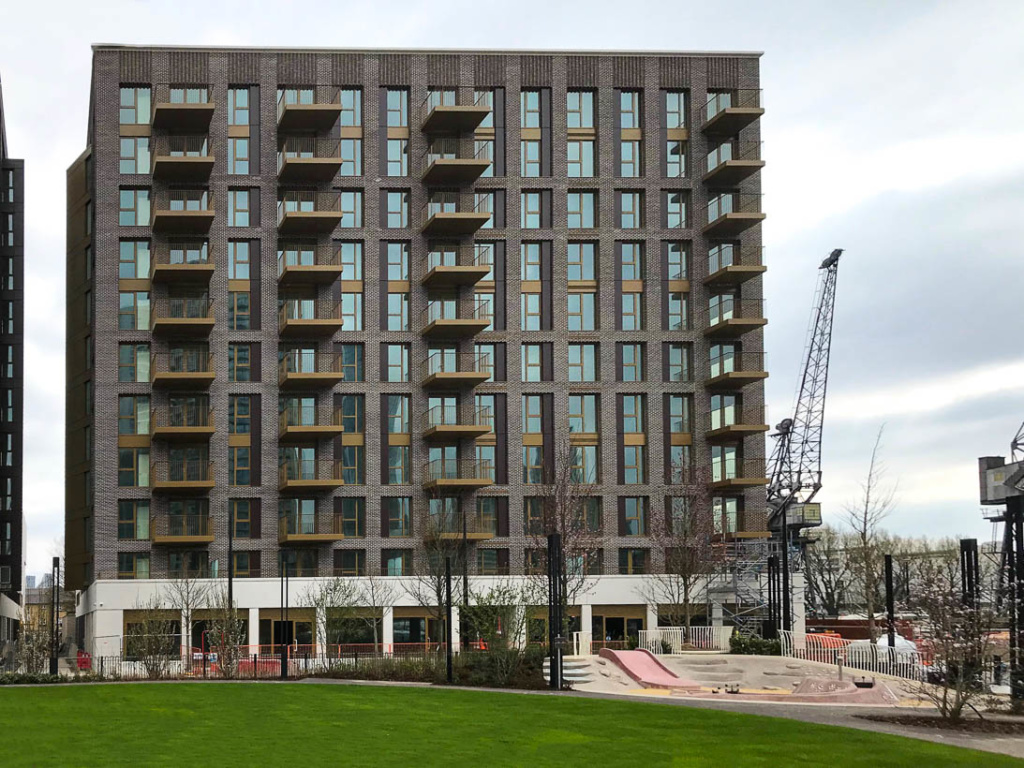
Take Arafat, for example. At 25, he’s worked as a property manager for Pinnacle at Wood Wharf for four years, just a short walk from the iconic One Canada Square.
Born in Limehouse where he still lives and coaches boxing to youngsters at the Limehouse Boxing Academy, the middle of nine siblings, and raised in social housing, he now plays a vital role in shaping a community where diverse residents coexist.

Managing 143 affordable rent homes, his job isn’t just about maintenance and compliance – it’s about creating a sense of belonging and trust. Many of the tenants he knows from his time at school, with his local links supporting him to build relationships. He knows that a well-run community is more than bricks and mortar; it’s about people feeling safe, supported and proud of where they live.
Budget measures
This year’s Budget and new housing legislation bring a raft of changes: compliance obligations, governance upgrades and financial pressures. These are important, and they will rightly dominate sector conversations.
But in the rush to meet regulatory requirements, we must not lose sight of the human-centric nature of housing. Homes are not spreadsheets. Communities are not compliance checklists. They are living, breathing ecosystems that depend on relationships, empathy and care.
Property managers like Arafat are the glue that holds these ecosystems together. They are the ones who mediate between residents and landlords, who resolve disputes before they escalate, who notice when a vulnerable tenant needs extra support.
In mixed-tenure developments, their role becomes even more critical. They help create cohesion in places where people from very different backgrounds share the same corridors, gardens and amenities. Without that human touch, integration can falter and the promise of vibrant, inclusive communities risks becoming hollow.
The sector is evolving fast. Institutional investors are pouring billions into housing, attracted by stable returns and long-term demand. For-profit providers (FPRPs) are scaling up, and Build-to-Rent schemes are proliferating. According to Savills, FPRPs now own at least 43,100 affordable homes – around 1% of all affordable housing – and have ambitions to reach 150,000 by 2030.
These trends bring opportunities: better quality homes, professional management and investment in infrastructure. But they also bring challenges – chief among them, ensuring that growth does not come at the expense of humanity.
As we navigate this new landscape, we need to champion the people who make housing work on the ground. Legislation can set standards and budgets can allocate resources, but neither can replace the value of those who know their residents by name, who understand the rhythms of a community and who take pride in making a place feel like home.
The future of housing will be shaped by policy and capital – but also by people. And if we want that future to be inclusive, resilient and genuinely transformative, we must invest not only in buildings but in the human relationships that bring them to life.
It starts with recognising and valuing the people who make those communities possible – people like Arafat. While they care for our homes and look after us, we need to ensure we’re investing in them too. Building positive communities isn’t just about where we live; it’s about how we live together, and the vital role these individuals play in shaping that experience.

Claire Kober
Managing Director (Homes), Pinnacle Group